-
- Network Installations

Understanding Data Cable Categories
Telecommunications and data transfer are essential to the success of modern businesses. Choosing the right cabling for your network infrastructure ensures reliability, speed, and efficiency. With many types of cables available, it's crucial to understand the differences to make informed decisions that suit your business needs.
Common Data Cable Categories
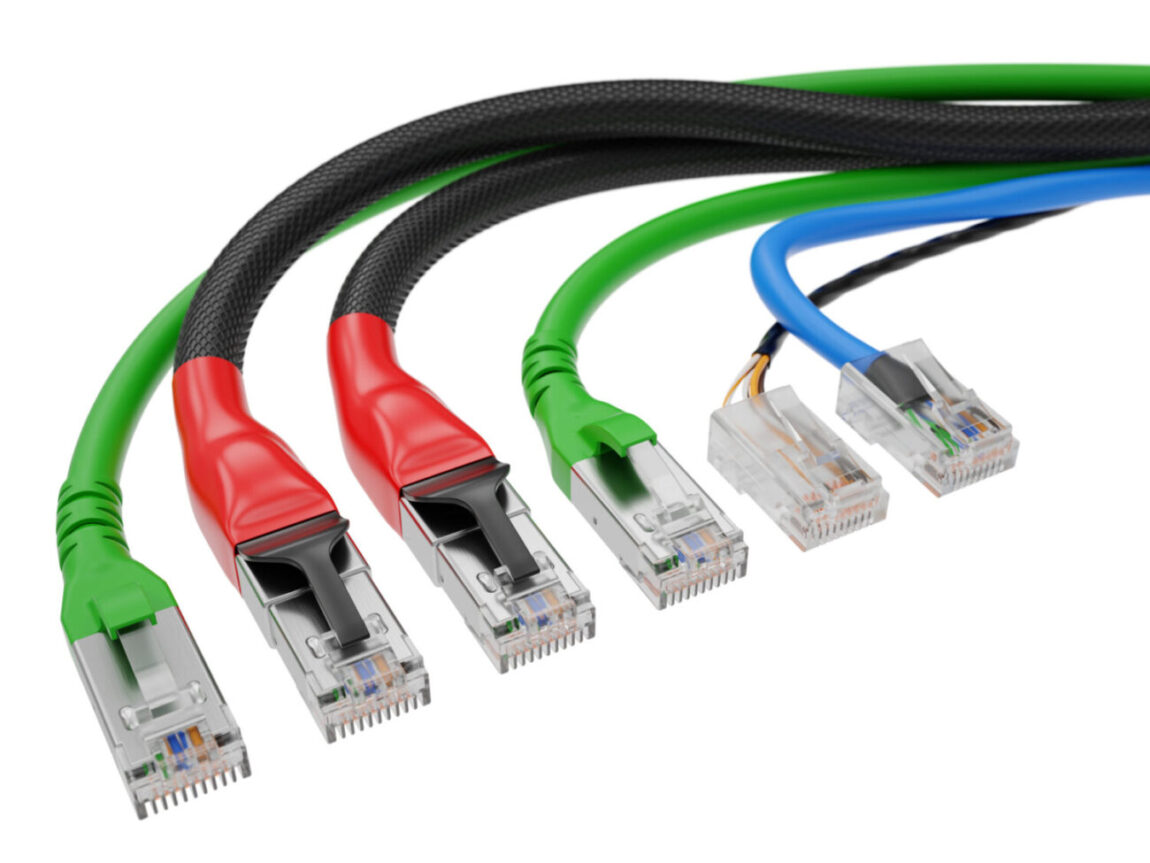
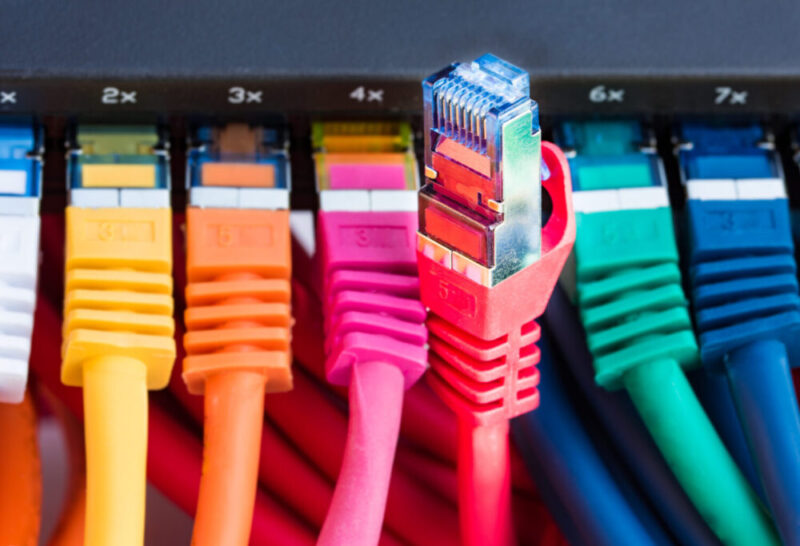
Data cabling comes in a variety of specifications, lengths, and colours. While colour isn’t essential to performance, understanding the different categories and their capabilities is. The most common types of cabling used in business are copper and fibre data cabling, which hold IT infrastructures and IP phone networks together. The main categories include:
- Cat5e Data Cabling
- Cat6 Data Cabling
- Cat6a Data Cabling
- Cat7 and Cat8
- Fibre optic Cabling (Multimode and Singlemode)
Cat5e Cabling: Basic Networking for Small to Medium Installations
Cat5e is the standard for most basic networks, offering speeds of up to 1Gbps over 100m. It's an affordable option for smaller installations but has been surpassed by newer, faster standards in many environments.
For more information about Cat5e please review Cat5e Cable FAQ: 19 Commonly Asked Questions
Cat6 Cabling: Reliable for 10Gbps Over Short Distances
Cat6 offers higher speeds (up to 10Gbps over 55m) and bandwidth (250MHz). Ideal for businesses that need stable connections for more demanding tasks, though the distance limitations must be considered.
For more information about Cat6 cabling please review Cat6 Cable FAQ – 22 Frequently Asked Questions
Cat6a Cabling
Cat6a supports 10Gbps over longer distances (up to 100m) and is quickly becoming the industry standard for new installations.
The majority of new specifications now specify Cat6a as the minimum standard. Indeed, the department of education specifies this for all new schools and colleges installations in the Network Cabling Standards for Schools and Colleges
For more information about Cat6a cabling please review Cat6a Cabling – 20 Commonly Asked Questions
Cat7 and Cat8 Cabling: High-Performance for Data Centres
Cat7 and Cat8 offer ultra-fast speeds and are ideal for short links within data centres, with Cat8 supporting up to 40Gbps over 30m.
For example, Cat8 cables allow for 40Gbps over a 30m distance, increasing use in data centre environments.
For more information about Cat7 and Cat8 cabling please review Cat 7 vs Cat 8 Cables: What's the Difference?
Fibre Optic Cabling
Fibre optic cables are the best choice for long-distance transmission, offering high bandwidth and low latency, with speeds ranging from 10Gbps to 100Gbps.
One of the advantages of fibre optic cabling is that it can offer a multitude of "cores" within a single cable. For example, a 24-core fibre optic cable provides 12 connections within one cable, making it a perfect choice for backbone links and interconnections.
For more information about Fibre Optic cabling, please review Fibre Optic FAQ’s
How Do Data Cables and Telephone Cables Differ?
- Telephone cables, while similar in appearance to Cat5 and Cat6 cables, are designed for voice transmission and can only support lower data speeds (up to 10Mbps). In contrast, data cables like Cat5e, Cat6, and fibre optic cables are specifically designed for high-speed data transmission and are capable of handling much higher speeds, making them essential for modern network infrastructures.
Is a Data Cable the Same as an Ethernet Cable?
It's important to differentiate between data cables and ethernet cables, as these terms are often used interchangeably. A data cable is any cable that facilitates the transfer of data, such as a fibre optic cable, a twisted pair cable, or a telephone cable. An ethernet cable, however, is specifically used in ethernet environments like local area networks (LANs) and wide area networks (WANs).
Data Cable Colour Sheaths and Fire Ratings
Data cables come in a variety of colours, which can indicate their fire rating or intended use. Common colours include:
- Grey – Standard PVC cables (non-fire-rated)
- Black – External cables
- Coloured – Low Smoke Zero Halogen (LSOH) rated cables for fire safety
As a minimum, all your fire cables should be fire rated, which we explain further here, CPR regulations for data cables
Fibre cables generally have black sheaths as standard regardless of internal or external use, but also have different fire ratings, as above. In many cases, special-use fibre, such as armoured and CST fibre, will be a brighter colour due to its use in ducts and digs.
Choosing the Best Data Cables for Your Business
Choosing the right data cable depends on your business’s specific needs, including network size, speed requirements, and budget. Whether you need cost-effective Cat5e cabling for small networks or high-performance fibre optic cables for long-distance, high-speed connections, there’s a solution that will optimise your network's performance.
Need advice on selecting the best data cabling for your business? Contact us for expert guidance and installation services.

View our video which explains each of the various categories, applications and and transfer speeds.
Data Cabling Installations
We offer comprehensive network cabling solutions for all applications -read more about structured cabling technologies
If you have problems with your data cabling or telephone network or are considering moving office or changing your office layout, please contact us for a free network survey and quotation.