Data Cable Installation
Data Cable Installation
Commercial Data Cabling and Network Installation
NM Cabling Solutions has designed and managed data cable installation projects in London since 2001. We work in offices, commercial buildings, hotels, schools and data centres, carrying out everything from small network alterations to large structured cabling installations.
Our work includes Cat6 and Cat6a cabling, fibre optics, network cabinets, containment and cabling for Wi-Fi access points. We also test existing installations, trace faults and replace cabling where required.
We regularly work alongside IT companies, building contractors, facilities managers and in-house IT teams. This often involves planning cable routes around other trades, working outside normal office hours and completing installations in phases to suit the building’s requirements.
Our London projects include more than 1,000 Cat6 outlets and OM4 fibre links at Stables Market in Camden, office cabling at the Lloyd’s Building and structured cabling during the refurbishment of 10 Manchester Street Hotel.
NM Cabling Solutions holds CHAS and SafeContractor accreditations. We use Fluke DSX test equipment to check completed cabling installations and provide test results and documentation as required.
If you have a data cabling project call us on 01923 888588 to discuss your requirements.
Commercial Data Cable Installation Services
Some of our London jobs involve installing hundreds of new data outlets across several floors. Others might be as simple as adding a few connections, moving an existing outlet or sorting out cabling that has stopped working.
We work in both new and occupied buildings, so the approach depends on what is happening on site. An empty office being fitted out is very different from a building where staff are working and the network needs to stay running.
Cat6 and Cat6a Cabling
Most new office installations use Cat6 or Cat6a cabling. We can advise on which is suitable once we know what equipment is being connected, the distances involved and whether there are likely to be changes to the network later.
Our engineers install the cables, outlets and patch panels, along with the containment needed to get everything from the cabinet to its final position. Once the installation is finished, we test the links using our Fluke DSX equipment.
We also get called in when an existing installation needs changing. That could mean adding outlets for new desks, moving connections during an office refurbishment or replacing cables that have failed testing.
Fibre Optic Cabling
Fibre is often needed when connecting network cabinets on different floors or linking separate parts of a building. We install both singlemode and multimode fibre, including OM3 and OM4, depending on what the network requires.
Our work covers new fibre installations, terminations, testing and repairs. We can also investigate existing fibre links when a connection has failed or the client is unsure what has already been installed.
More information is available on our fibre optic cabling page.
Network Cabinets and Cable Containment
The cables are only part of the installation. They need somewhere to run, and the network equipment needs to be housed and connected properly.
We install data cabinets, patch panels, basket tray, trunking and other containment. In offices, this often means working above suspended ceilings, beneath raised floors or through existing risers.
Where several contractors are working on the same refurbishment, we agree cable routes and outlet positions before installation. This helps avoid clashes with lighting, air conditioning, electrical services and other parts of the fit-out.
We can also tidy up existing cabinets, replace patch panels and reorganise cabling where equipment has been moved or the cabinet has become difficult to maintain.
Alterations to Existing Data Cabling
Not every business needs a new cabling system. Sometimes the existing installation is perfectly usable and only needs a few changes.
We regularly trace cables, test outlets, repair faulty connections and add new cabling to existing networks. If a company is moving desks or changing its office layout, we can check what is already there before recommending any new installation work.
For occupied offices, we can arrange work outside normal hours or complete it in stages. The aim is to get the cabling work done without unnecessarily interrupting the people using the building.
Data Cabling Projects
We’ve worked on data cabling projects in offices, hotels and commercial buildings across London. Here are three examples, from a new installation in Camden to testing existing cabling in Marylebone.

Stables Market, Camden
We installed more than 1,000 Cat6 data outlets across three floors, with OM4 fibre links connecting the network cabinets.
Glass partitions, wooden floors and restricted access made planning the cable routes and deliveries particularly important. Some cables needed to run between floors before reaching their outlets.
We tested the completed installation and supplied cabinet layouts and marked-up drawings at handover.

Lloyd’s Building
We’ve carried out data cabling, fibre optic and electrical work within the Lloyd’s Building and at other premises used by Lloyd’s member companies.
Much of the work involved office alterations, including moving desks, relocating floor boxes and installing additional data outlets.
With the offices occupied, work often needed to take place outside normal business hours. Some installations also had to be arranged at short notice.
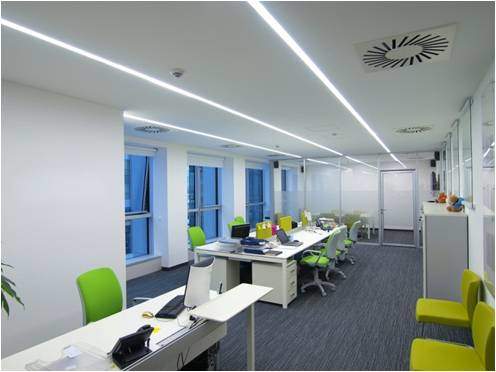
Office Cabling Testing in Marylebone
A client in Marylebone was preparing to install a new VoIP telephone system and wanted to check the existing Cat5e cabling first.
We tested approximately 200 outlets using Fluke DSX equipment, identified faulty connections and repaired the modules that needed attention.
The repaired outlets were tested again, and the client received the results before the telephone installation went ahead.
View more NM Cabling projects
From Site Survey to Completed Data Cable Installation
Before quoting for a cabling installation, we usually need to understand how the building is being used and what the client wants to achieve. Sometimes we can work from drawings and a clear specification. For other jobs, particularly refurbishments and alterations to existing offices, a site visit is the best starting point.
Site Surveys and Planning
During a survey, we look at where the data outlets are needed, where the communications cabinets will be positioned and how the cables can reach them. We also check access above ceilings, below floors and through risers.
On larger fit-outs, we may be working from drawings prepared by architects, IT consultants or building contractors. Cable routes need to be coordinated with lighting, ventilation, electrical services and other parts of the refurbishment. It’s easier to resolve these issues before installation than when several trades are already working in the same area.
Installing the Cabling
Once the routes and outlet positions have been agreed, our engineers install the containment, data cable installation, outlets and patch panels required for the job.
Some buildings are empty during the work, but many aren’t. In an occupied office, we need to consider access to desks, meeting rooms and communications cabinets without unnecessarily disrupting the people working there.
Where a project involves several floors or areas being handed over at different times, we can arrange the installation in stages. Evening and weekend work can also be planned where normal working hours aren’t suitable.
Testing and Fault Finding
We use Fluke DSX equipment to test completed copper cabling installations. This checks whether each link meets the relevant performance requirements and helps identify problems such as poor terminations, damaged cables or wiring faults.
If a link fails, we investigate the cause, carry out the necessary repairs and test it again. The aim is to hand over cabling that has passed the required tests, rather than leaving faults for the client’s IT team to discover when equipment is connected.
We also test existing cabling when clients are experiencing network problems or want to check an installation before making changes to their equipment.
Documentation and Handover
At the end of the installation, we can provide the test results, outlet identification and cabinet information required for the project. Where drawings form part of the agreed handover, these can be updated to show the installed cabling.
This information is useful when an IT team needs to patch new equipment, trace an outlet or arrange further work in the building.
If you’re planning an office fit-out, refurbishment or network upgrade in London, we can review the drawings or arrange a site survey before preparing a quotation.
Accreditations, Standards and Warranties
NM Cabling Solutions is CHAS and SafeContractor accredited. We work on construction sites, office refurbishments and in buildings that are already occupied, so we’re used to dealing with site rules and the paperwork that goes with them.
Health and Safety
Before starting a job, we prepare the risk assessments and method statements needed for the work. On larger projects, the main contractor will often have their own site procedures, inductions and permit arrangements that our engineers need to follow.
For smaller jobs in occupied offices, the arrangements are usually more straightforward, although access, working hours and any disruption to staff still need to be considered.
Cabling Standards and Testing
Our structured cabling work follows the relevant requirements of BS EN 50173 and BS EN 50174, along with any additional specifications agreed for the project.
We use Fluke DSX equipment to test completed copper cabling. If a link fails, we find out why, put it right and test it again. The results can then be supplied to the client, together with any other records agreed for the job.
Excel 25-Year Warranty
We can offer an Excel 25-year manufacturer warranty on qualifying structured cabling installations.
Not every installation will qualify. The warranty depends on the products used and the work meeting Excel’s requirements. If your project needs a manufacturer warranty, tell us at the quotation stage so we can allow for it in the specification.
Frequently Asked Questions About Data Cable Installation
How much does data cabling installation cost?
There’s no fixed price per data outlet that works for every building. Ten outlets in an empty office could be fairly straightforward, but the same number in an occupied building might involve working around staff, lifting floors or installing new containment.
We can often prepare a quotation from drawings if the information is detailed enough. Otherwise, we’ll arrange a site survey to see what’s involved.
Can you install data cabling outside normal office hours?
Yes. We’ve carried out plenty of installations in offices that need to stay operational during the day. Depending on the job, we can arrange evening or weekend work, or complete different areas in stages.
We’ll discuss access and working hours before quoting, particularly where the building has security restrictions or other contractors working on site.
Can you test our existing data cable installation?
Yes. You don’t necessarily need to replace an existing cabling system just because you’re changing network equipment or moving to VoIP phones.
We can trace outlets, test the cabling and investigate any failed connections. At an office in Marylebone, we tested approximately 200 existing Cat5e outlets before a new telephone system was installed. Faulty modules were repaired and tested again.
Should we install Cat6 or Cat6a cabling?
For many office networks, Cat6 is still a suitable choice. Cat6a is generally the better option when the network needs to support 10 Gigabit Ethernet over the full standard copper cabling distance.
It also depends on what equipment you’re planning to use. Before recommending either, we’d want to know about the network switches, Wi-Fi access points and any future changes you’re expecting.
Can you work with our IT company or building contractor?
Yes. Sometimes the IT company has already decided where the network equipment and data outlets need to go. On other jobs, we’re involved earlier and help work out the cable routes and cabinet positions.
During office refurbishments, we also need to coordinate with electricians, ceiling contractors and other trades. That can mean adjusting the installation programme as different parts of the building become available.
Further Information About Data Cabling
We’ve answered more technical questions in the articles below, including the differences between cable types and what to consider when planning a new installation.
- Data Cabling FAQs covering structured cabling, network cabinets and testing.
- Cat6 Cable FAQs covering cable performance, distances and the differences between Cat6 and Cat6a.
- Fibre Optic FAQs covering fibre types, installation and common applications.
Discuss Your Data Cable Installation Project
Planning an office refurbishment, adding data points or upgrading your existing cabling? Call us on 01923 888588 to discuss your requirements.
We can review your plans and drawings, advise on the best approach and arrange a site survey if needed.