Cabling in Data Centres


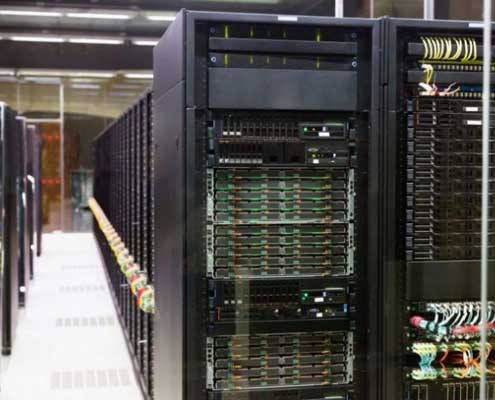
Data Centre Structured Cabling
Data centre cabling refers to the structured cabling infrastructure within a data centre facility that allows for the efficient and organized transmission of data between network components, servers, storage devices, and other equipment. This cabling system is a critical component of the overall data centre infrastructure, as it forms the backbone for reliable and high-speed communication between various devices and systems.
Key aspects of data centre cabling
Data centre cabling refers to the structured cabling infrastructure within a data centre facility that allows for the efficient and organized transmission of data between network components, servers, storage devices, and other equipment. This cabling system is a critical component of the overall data centre infrastructure, as it forms the backbone for reliable and high-speed communication between various devices and systems.
Structured Cabling System:
Data centres typically use a structured cabling system, which involves the installation of standardized cabling and connectivity products. This system is designed to support various hardware and equipment, providing a flexible and scalable network infrastructure.
Cable Types:
Different types of cables are used in data centres for various purposes. Common cable types include twisted pair cables (such as Ethernet cables), fiber optic cables, and coaxial cables. Fiber optic cables, in particular, are often preferred for their high data transfer speeds and reliability over longer distances.
Rack and Cabinet Wiring:
Cables are organized within server racks and cabinets to connect servers, switches, routers, and other network equipment. Neat and organized cabling helps in maintenance, troubleshooting, and scalability.
Patch Panels:
Patch panels are used to terminate and manage the connections of multiple network cables. They provide a centralized location for making changes to the cabling infrastructure, facilitating easy troubleshooting and modifications.
Cable Management:
Effective cable management is crucial in data centres to prevent cable clutter, reduce the risk of cable damage, and ensure proper airflow for cooling systems. Cable trays, racks, and other accessories are used to organize and secure cables.
High-Density Connectivity:
Data centres often require high-density cabling solutions to accommodate a large number of devices and connections within limited space. High-density patch panels and connectors are designed to address this need.
Redundancy and Reliability:
Data centre cabling is designed with redundancy in mind to ensure high availability and minimize the risk of downtime. Redundant pathways and connections are implemented to provide backup in case of failures.
Standards Compliance:
Data centre cabling is typically installed according to industry standards, such as those defined by the Telecommunications Industry Association (TIA) and the International Organization for Standardization (ISO).
Data centre cabling performance & reliability
Well-designed and properly implemented data centre cabling is essential for the overall performance, reliability, and scalability of the data centre infrastructure. It plays a critical role in supporting the rapid and seamless transmission of data, which is crucial for the operation of modern IT environments.
Your partner for Data Centre Cabling
As one of the leading contractors in the field of Data Cabling, NM Cabling offer a full services for Data Centres throughout the country.
We provide a comprehensive design and build services along with emergency repair and updates.
We have a team of expert technicians who are on hand to provide fast and effective solutions to businesses experiencing issues with their data cabling infrastructure.
From cable repair to fibre optic cable repair and testing. Our team is dedicated to ensuring that your business operations run smoothly and efficiently.
Claim Your Free Site Survey
Our certified engineers assess your site and provide tailored recommendations—completely free.
Simply fill in your details and one of our engineers will be in touch to arrange your on-site assessment.